
Sun damage causes up to 80% of facial ageing signs.
What is sun damage?
Sun damage, also known as
photoageing, is premature skin
ageing caused by spending time in
the sun.
UVA and UVB radiation from the sun can
damage skin cells both on the surface and in
the deeper layers.
Sun damage can affect anyone, regardless of
skin type or race. Signs of photoageing may
start to appear while you’re still in your 20s. If you’re concerned, there are sun-damaged skin
treatment options in NZ, to help restore skin
health.
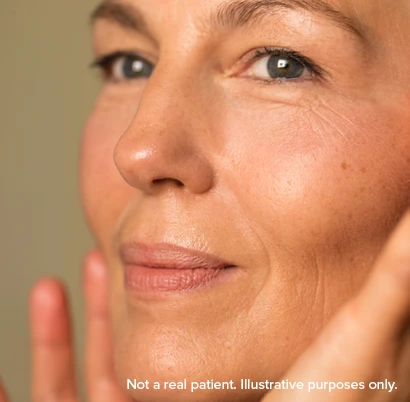
What are the signs of photoageing?
Photoageing is the leading cause of visible skin ageing.
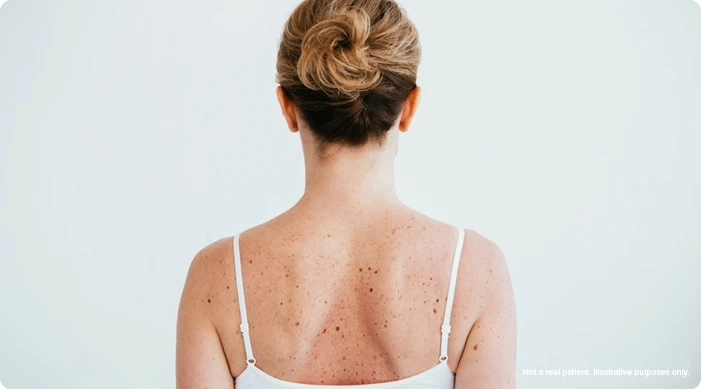
Signs of photoageing include:
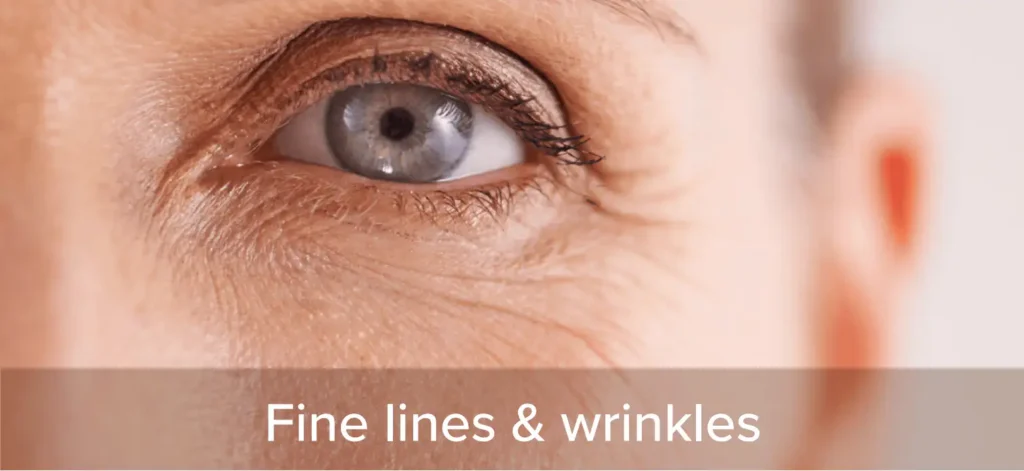
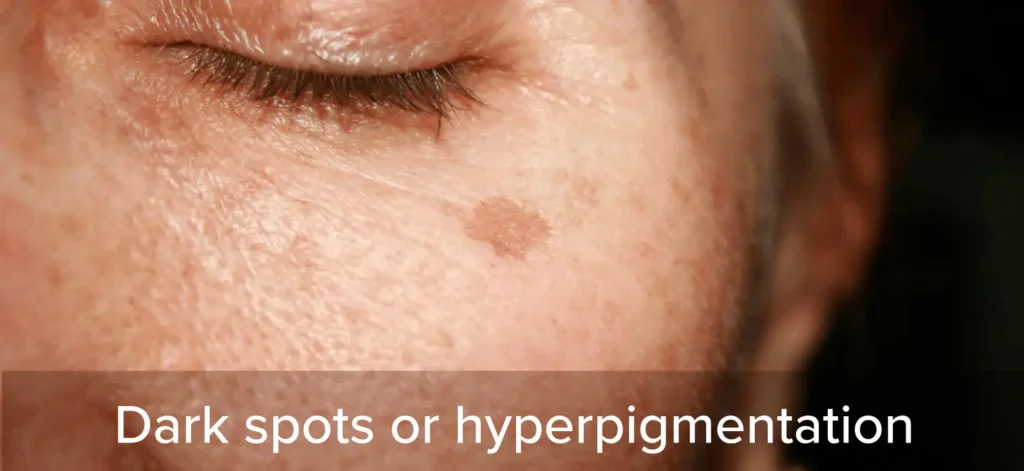
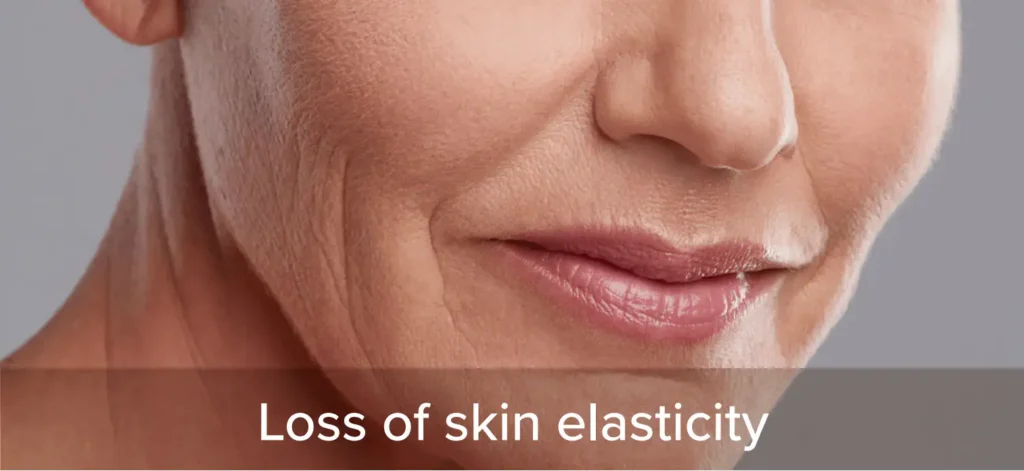
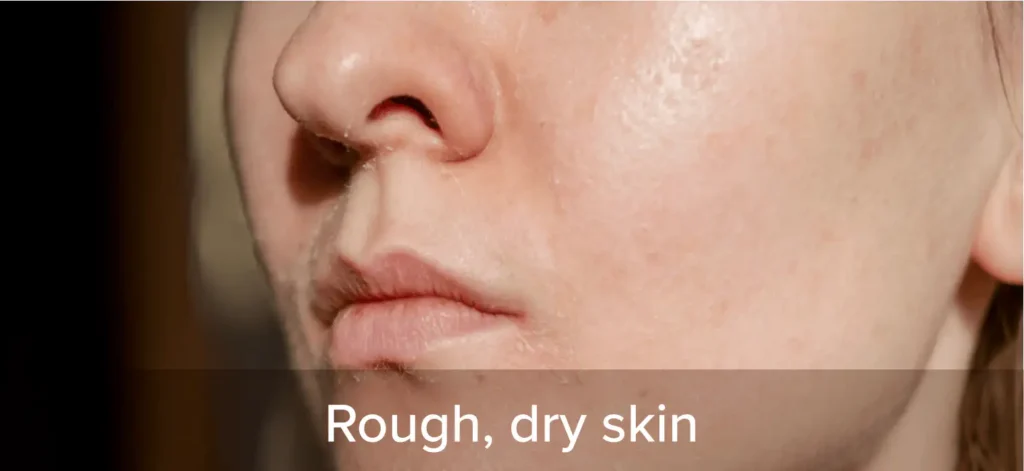
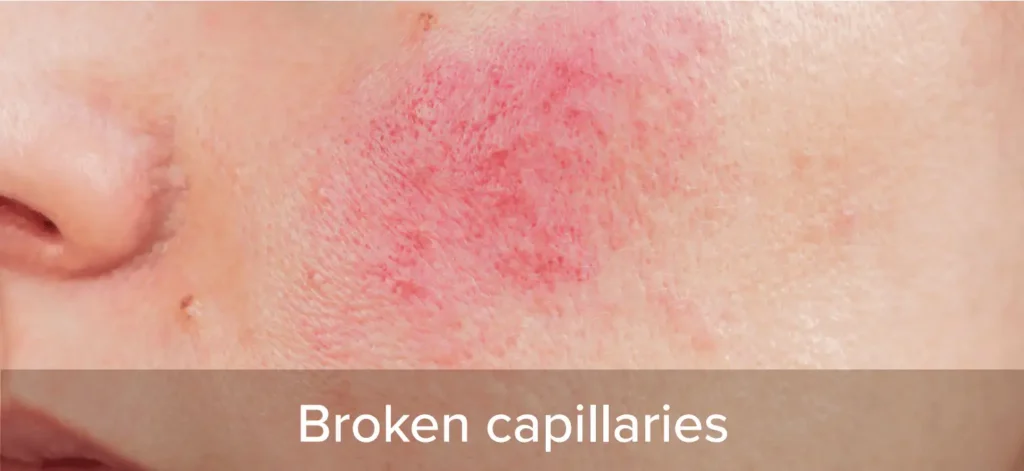
Not a real patient. Illustrative purposes only
If any of these apply to you, talk to a GP or Dermatologist about ways to manage your skin health.
How to protect yourself from photoageing
Self Management:
Use plenty of broad-spectrum, water-resistant, sunscreen of at least SPF 30 to shield your skin from harmful UV rays every day. Cover all exposed skin and reapply as instructed.
Find out more about DermaVeen Sensitive Sun SPF50+. Click Here.
Prolonged UV exposure causes skin ageing to happen more quickly. Research shows that the signs of sun damage include wrinkles, fine lines, and pigmentation. Avoid direct sunlight, especially between 10am and 4pm when UVA rays are strongest.
Wear hats and clothing that help to cover your skin.
Tanning beds or sunlamps emit harmful UV radiation that can damage the skin and increase the risk of skin cancers.
Talk to a GP If you have concerns about photoaged skin or want to explore treatment options available to you.
Clinical management with Retrieve:
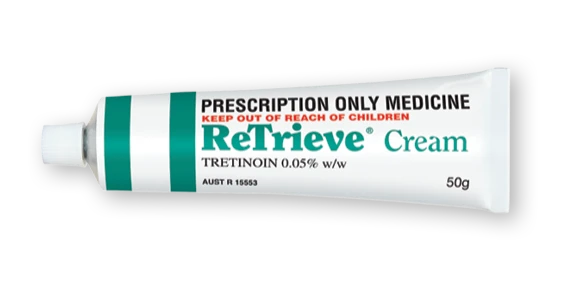
If you are showing signs of photoageing, consult with a GP or Dermatologist. They can work with you to develop a treatment plan for your skin goals. Treatments may include prescribing tretinoin for wrinkles and fine lines.

FAQs
Sun damage is when exposure to sunlight and ultraviolet (UV) radiation harms the skin.
There are various ways to protect yourself from sun damage:
- Apply sunscreen daily – Use plenty of broad-spectrum, water-resistant, sunscreen of at least SPF 30 to shield your skin from harmful UV rays every day. Cover all exposed skin and reapply as instructed.
- Reduce sun exposure – Avoid direct sunlight, especially between 10am and 4pm when UV rays are strongest.
- Wear protective clothing – Wear hats and clothing that help to cover your skin.
- Avoid sunbeds – Sunbeds or sunlamps emit harmful UV radiation that can damage the skin and increase the risk of skin cancers.
- Talk to a doctor – Seek medical professional help if you have concerns about sun damage or want to explore treatment options available to you.
ReTrieve is the gold standard topical treatment for dry, photoaged skin.
After 4 months of consistent use, you should see improvements in sun damage signs such as skin texture, wrinkles, hyperpigmentation.
Because it is a strong formula, some people may experience mild irritation when first starting. To minimise this, ReTrieve cream should be introduced gradually as directed by your GP or Dermatologist. Always use as directed and seek medical advice if you experience any unexpected symptoms.
Both Dermatologists and GPs are highly trained and can diagnose and manage key skin concerns. Both can help treat sun damage. In certain circumstances however, the specialist skills of a Dermatologist may be required. They can provide further diagnostic tests or specific treatments.