
PRESCRIPTION-GRADE SKINCARE
Re.store skin
with ReTrieve cream – clinically proven results
Re.vive your dry, sun-damaged skin with ReTrieve cream. This prescription-grade retinoid cream is clinically proven to help reduce the visible signs of photoageing (sun damage).
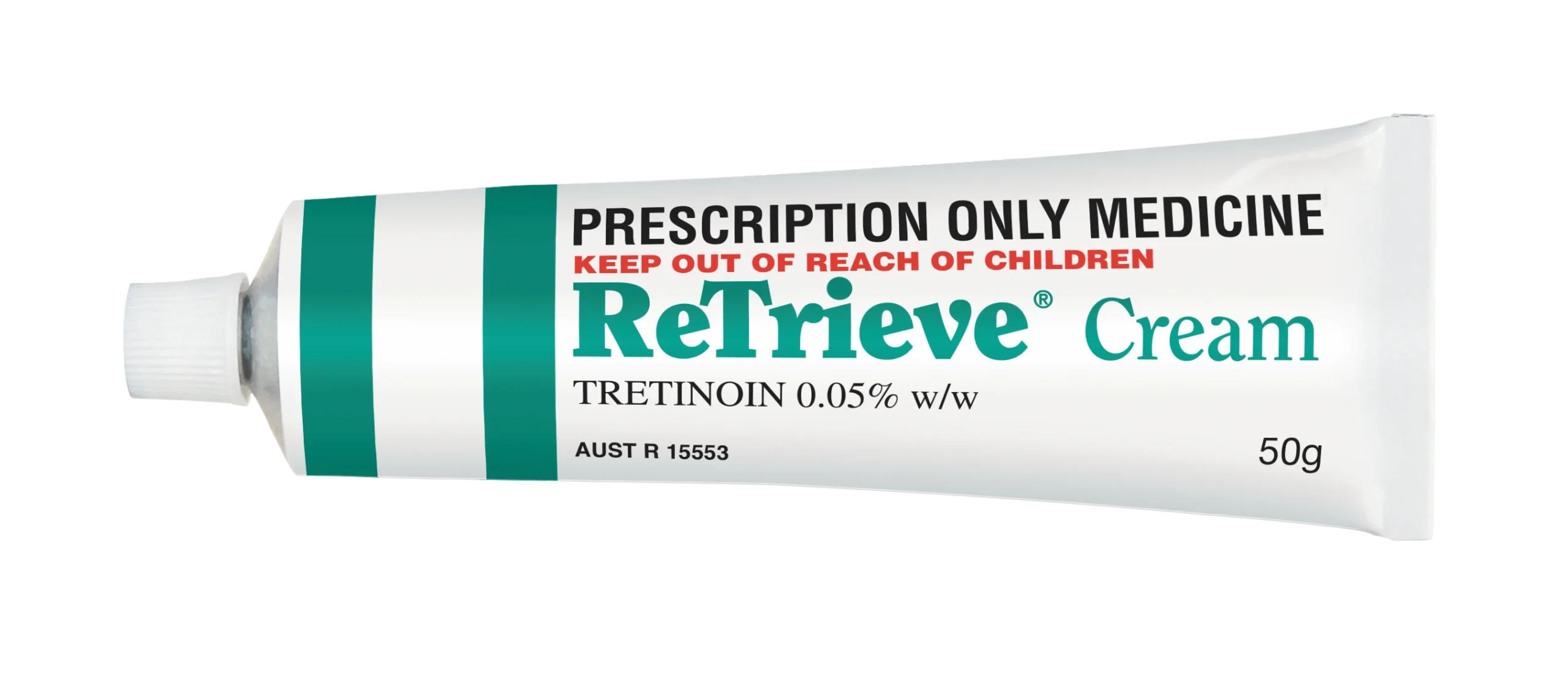
Retrieve Helps With:
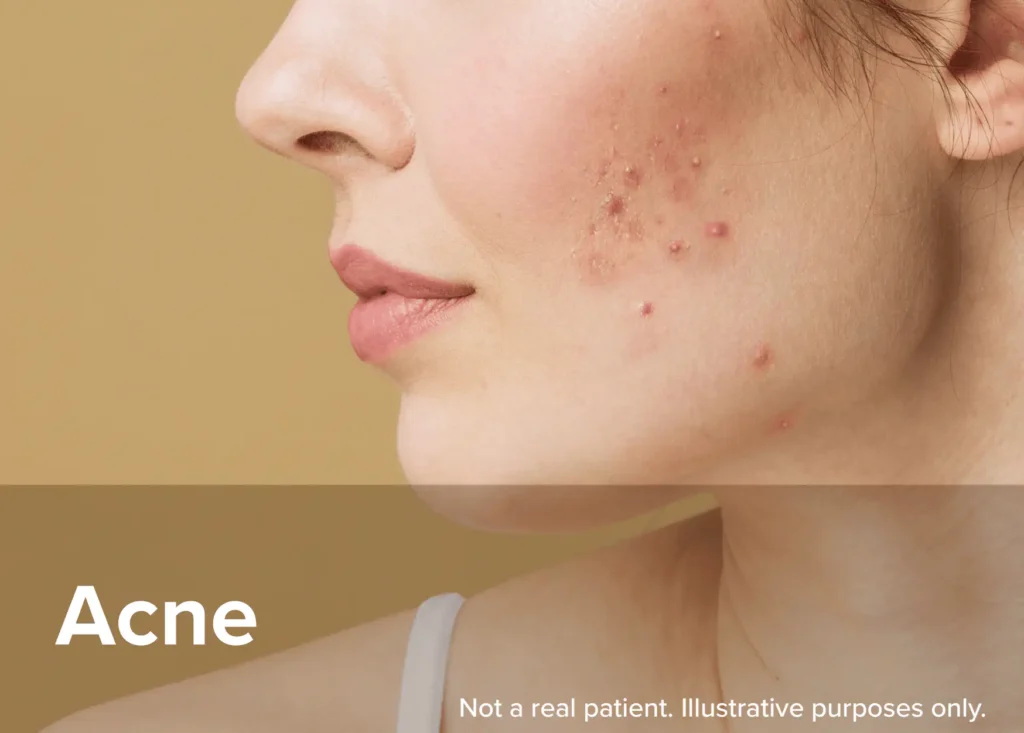
ReTrieve cream is a fully funded prescription medicine for the treatment of mild to moderate acne. A common skin condition that happens when hair follicles in the skin become clogged.
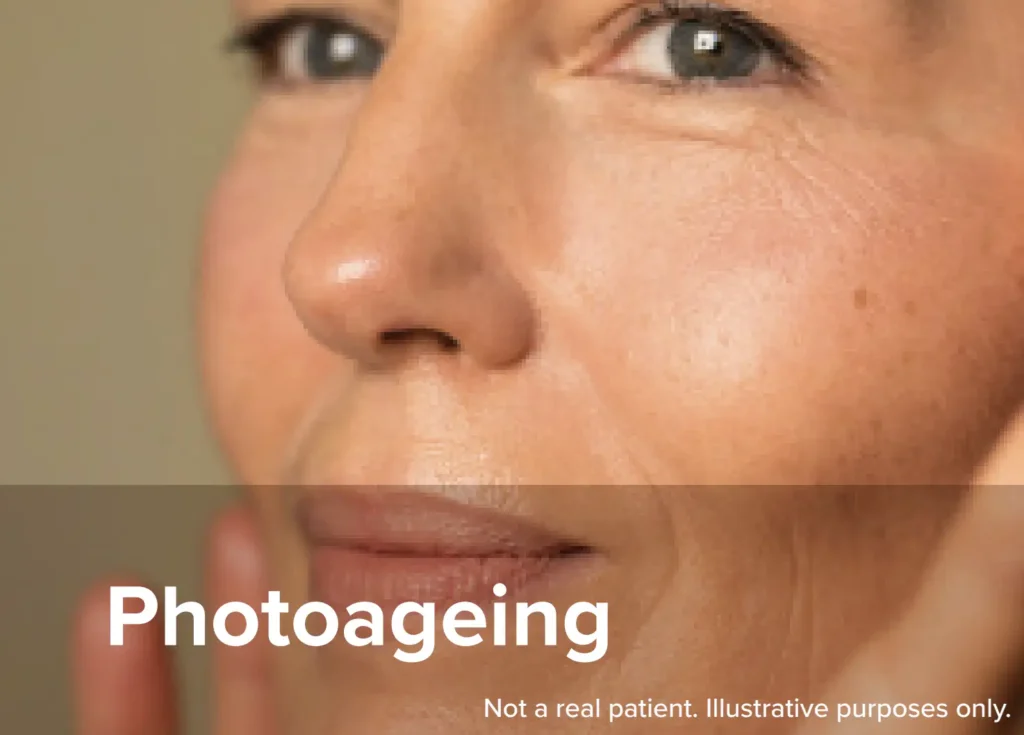
ReTrieve is also prescribed in New Zealand for the treatment of sun-damaged skin. Photoageing, also known as sun damage, refers to premature skin ageing caused by prolonged exposure to sunlight. This is caused by UVA and UVB radiation, which damage skin at both the surface and deeper layers.
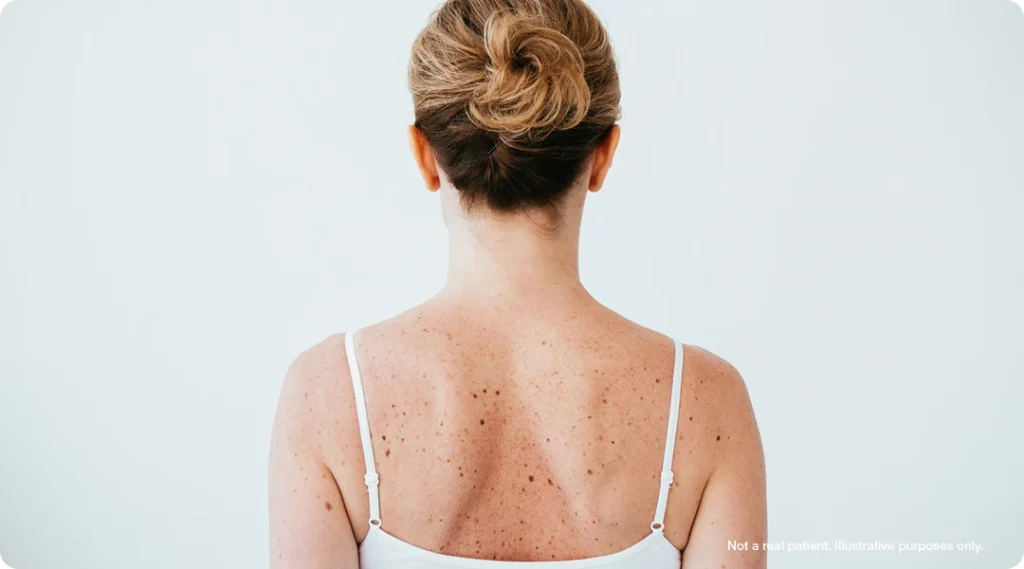
What are the signs of photoageing?
If any of these apply to you, talk to a GP or Dermatologist about ways to manage your skin health
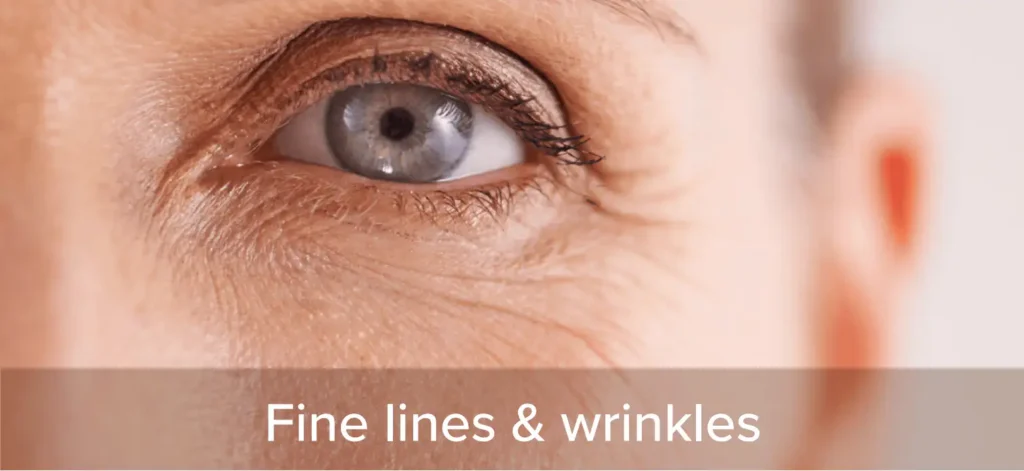
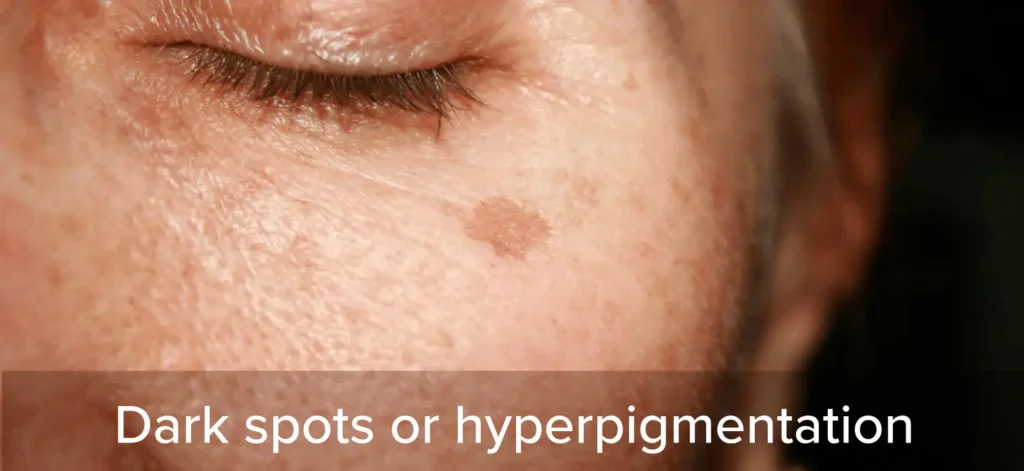
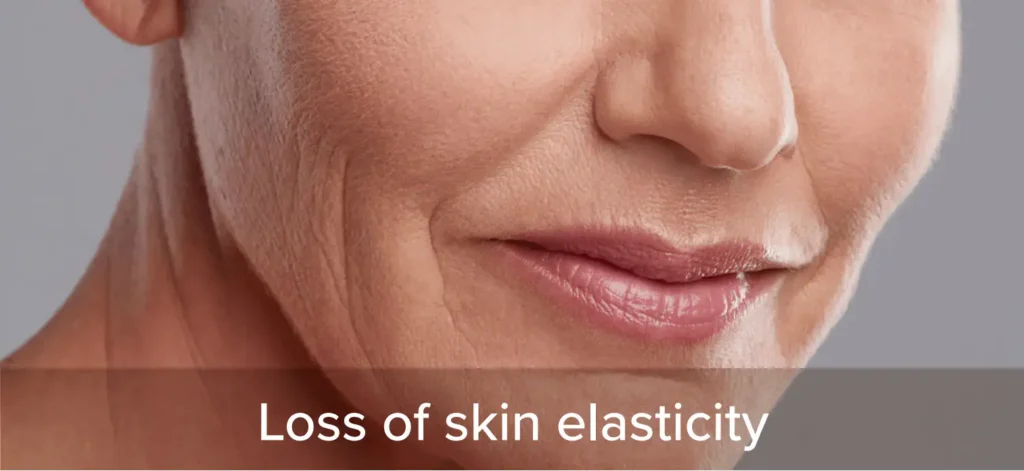
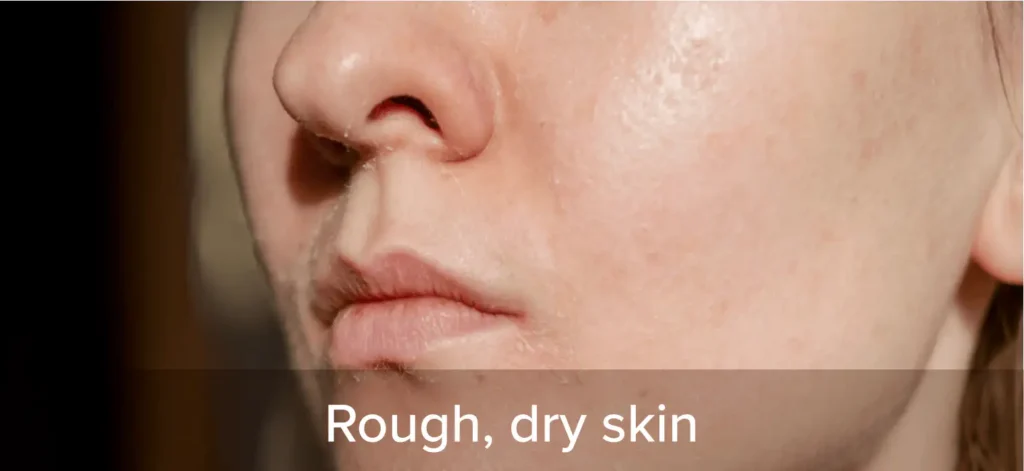
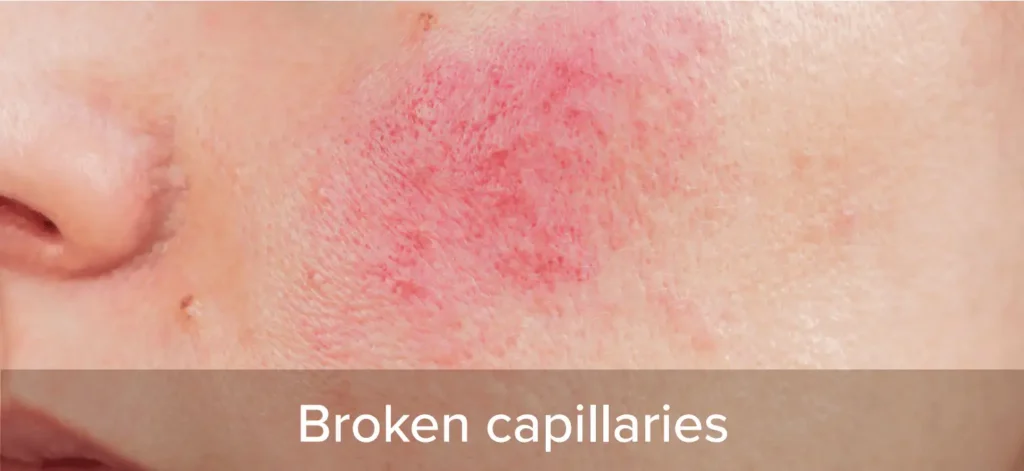
Not a real patient. Illustrative purposes only
Speak to your GP or Dermatologist about ways you can manage sun damage
Who is at risk of photoageing?
Photoageing can affect all adults. Some people, no matter their age, are more susceptible to sun damage and are more likely to experience symptoms of premature skin ageing.
People with light skin tones that burn quickly and rarely tan are more susceptible to photoageing. Despite that, people of all skin types can be at risk of photoageing.
UVA rays are present all day, even when it’s cloudy or you’re indoors near windows. They go deep into the skin and break down collagen and elastin, which can lead to the visible signs of skin ageing such as fine lines and wrinkles.
Applying sunscreen daily is the best way to protect your skin from photoageing. One study found that applying sunscreen daily delayed skin ageing over a four-year period.
Find a GP
Learn more about your skin

FAQs
Sun damage is when exposure to sunlight and ultraviolet (UV) radiation harms the skin. Think of sun damage as a broad term for all adverse effects of UV exposure on your skin cells.
Sun damage occurs on the most sun-exposed areas of the body. Often the face, neck and back of the hands. Prolonged UV exposure causes skin ageing to happen more quickly. Research shows that the signs of sun damage include wrinkles, fine lines, and pigmentation.
There are various ways to protect yourself from sun damage:
- Apply sunscreen daily
Use plenty of broad-spectrum, water-resistant, sunscreen of at least SPF 30 to shield your skin from harmful UV rays every day. Cover all exposed skin and reapply as instructed. - Reduce sun exposure
Avoid direct sunlight, especially between 10am and 4pm when UV rays are strongest. - Wear protective clothing
Wear hats and clothing that help to cover your skin. - Avoid sunbeds
Sunbeds or sunlamps emit harmful UV radiation that can damage the skin and increase the risk of skin cancers. - Talk to a doctor
Seek medical professional help if you have concerns about sun damage or want to explore treatment options available to you.
Doctors can help treat the signs of sun damage with various medical and physical therapies. ReTrieve cream is a prescription retinoid cream that helps to reduce the signs of dry sun damage skin. Your doctor will help you understand the benefits and risks of any treatment for sun-damaged skin.
According to clinicians, intrinsic and extrinsic factors combine to cause wrinkles. Intrinsic factors are the normal age-related changes in the skin. As we age, our skin becomes thinner, drier, and less able to protect itself from environmental damage. The result is wrinkles, creases, and lines on the skin. External factors such as sun exposure, smoking and environmental factors are known as extrinsic factors. Frequent frowning and squinting can also cause skin wrinkles.
Both GPs and Dermatologists in New Zealand can prescribe ReTrieve cream and provide advice on managing acne or sun-damaged skin.